Mental load is the ongoing work your brain does to keep track of everything you need to remember and manage. It is not just about the tasks you do. It is also the thinking you do before, during, and after those tasks. When your brain is always busy holding information, it can make it harder to make good decisions.
Every day, people make thousands of decisions. Some researchers estimate the number can be as high as 35,000 daily. When your brain is already full from planning and remembering things, each new decision feels harder.

What Mental Load Really Means
Mental load is the work of keeping track of all the details needed for daily life in your head. It includes planning meals, remembering appointments, and thinking about everything your family needs.
You carry this work even when you are not doing tasks. When this happens day after day, your mental energy goes down. Studies show that when your brain is overloaded, your ability to think clearly and make strong decisions goes down too.
Why Mental Load Makes Decisions Harder
One clear effect of mental load is something called “decision fatigue”. This means that after making many decisions, your brain gets tired/foggy. As your brain gets tired, choices feel harder. You may avoid deciding. Or you may choose something quickly just to avoid thinking.
For example, in one well‑known study, judges were more likely to make better decisions early in the day. As the day went on and they made more decisions, their choices became weaker. This shows how many decisions can wear down your thinking.
For women who manage family schedules, work, and daily tasks, this wear‑down happens often. When your brain has already worked hard all day, even small choices, like what to make for dinner, can feel too hard.
Stress also makes decisions harder. A survey by the American Psychological Association found that stress adversely affects decision-making in 75% of adults, and 48% report difficulty concentrating when stressed.
When your brain is taxed by constant planning and remembering, even small choices feel overwhelming.
Common Triggers of Mental Load
Mental load grows when your brain has to think about many things at once. Some common triggers include:
- When you must remember many tasks.
- When you worry about plans for your family.
- When you feel pressure to do everything “just right.”
- When you are interrupted often and have to restart your thinking.
- When you try to manage work and home life at the same time.
These situations make your brain work harder. Over time, this can make decision making feel difficult and tiring.
Simple Ways to Reduce Mental Load
Reducing “the load” does not have to be hard. Small changes can free up space in your mind:
- Write things down as soon as you think of them.
- Give yourself permission to let go of small details that don’t matter.
- Talk with someone else about plans and share the thinking work.
- Create routines, like having set days for chores or meals.
- Take short breaks to rest your mind when it feels crowded.
The goal is not to do everything perfectly. The goal is to make your brain have fewer things to hold at once.
Solutions: Tools That Help Mental Load
Some tools can help by keeping information outside your head. These tools help you remember what matters and give your brain a break.
- Digital Planners: These keep dates, reminders, and tasks in one place so you don’t have to remember them.
- Note Apps: These save ideas and thoughts when they come up, so you can return to them later.
- Checklist Tools: These help break down big tasks into small steps you can check off.
- Sharing Tools: These let family members see plans too so the work is shared.
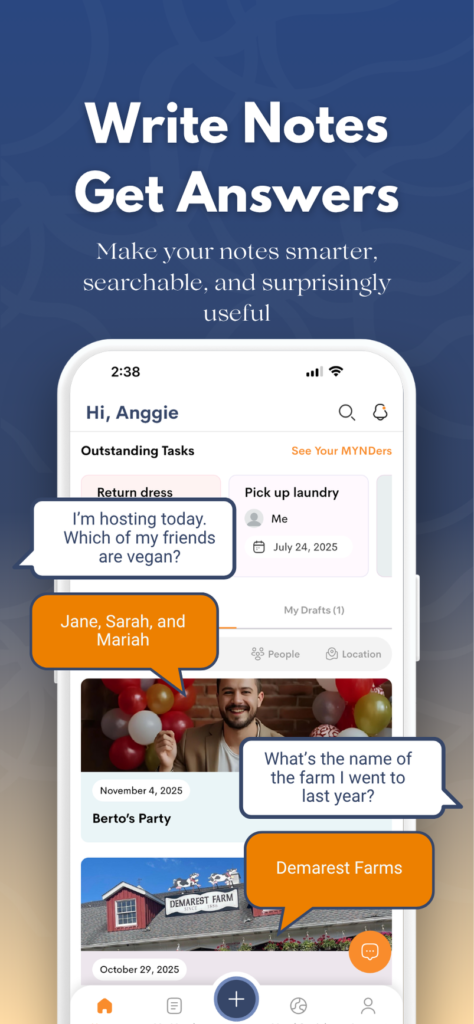
The best tool for mental load used by many is the MYNDIFY app. This tool was designed to provide mental clarity by stores your personal notes, thoughts, and insights and providing features that can help you recall those thoughts when needed. By serving as a second brain, it allows your mind to mentally offload information (meaning your brain does not have to hold everything), resulting in better decision making.